Real stories · Support through breast cancer
Her best friend was diagnosed with breast cancer. She had no idea what to say. So she found another way to say it.
Every year, more than 3,700 New Zealanders are diagnosed with breast cancer. Roughly ten people every single day. For the people who love them, the same question arrives like clockwork: what do I do now?
Source: Breast Cancer Foundation NZ National Register
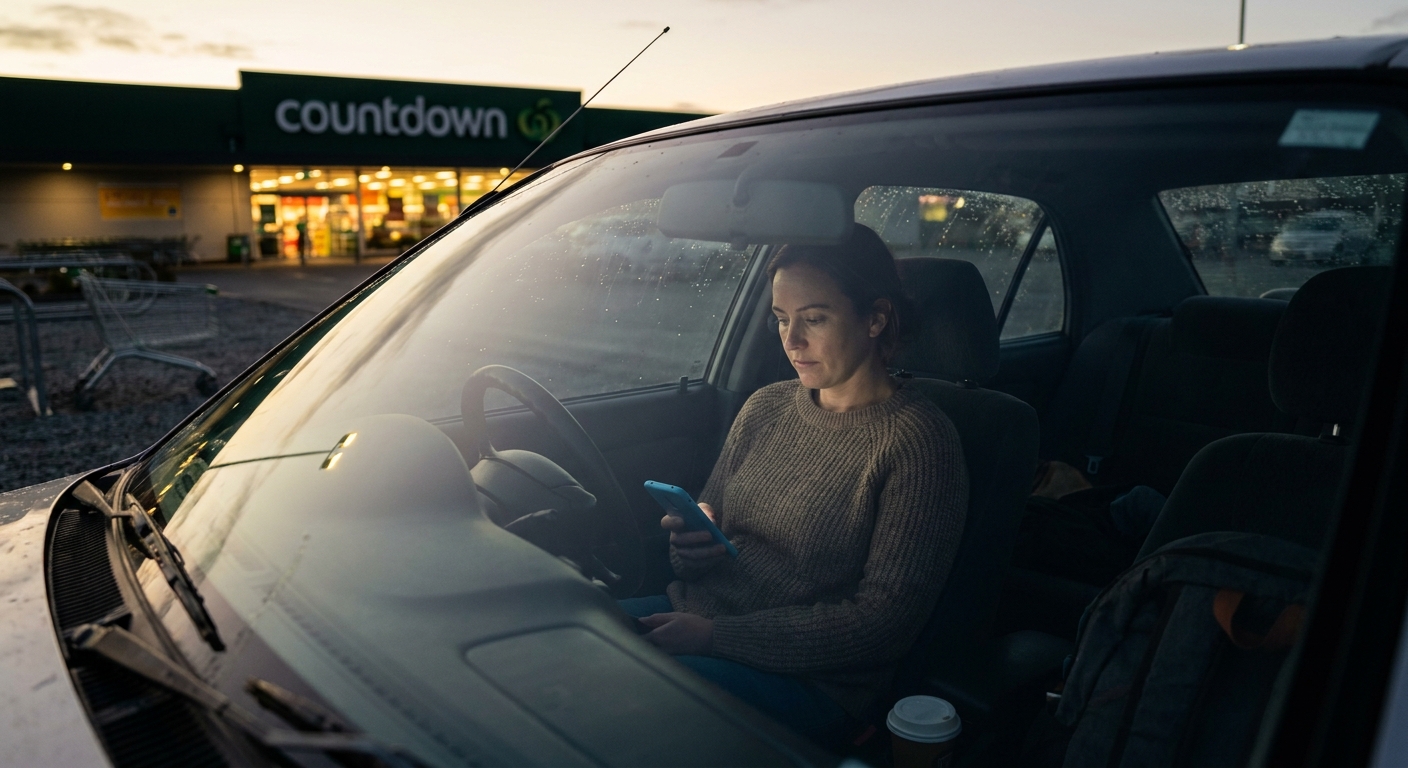
Mel was sitting in her car outside Pak'nSave in Hamilton when she read the text. She didn't go inside. She didn't drive home. She just sat there, engine off, phone in her lap, reading it over and over.
Her sister. Breast cancer.
“I typed ‘I'm so sorry’ and stared at it for about five minutes. Then I deleted it. Typed it again. Deleted it again. Everything I came up with sounded either too small or completely wrong.”
She sent a message eventually. Three words. Thinking of you. She knew it wasn't enough.
That was a Tuesday. By Friday, she still hadn't called. By the following week, the silence had set like concrete. And every day that passed made it harder to break.
“The thing is, I'm not someone who goes quiet. I'm the one who organises the dinner. I'm the one who shows up with the casserole dish. But this time I had no idea what to do. And every day I didn't do something, it got worse.”
Mel isn't unusual. She's almost everyone.
Dr. Arif Kamal, chief patient officer at the American Cancer Society, puts it simply: we have never been taught how to engage with a person who is going through something this hard. We don't have the script. We don't have the training. And so we freeze. Not out of indifference, but out of love that can't find the right words.
What happens next has a name. Researchers call it “cancer ghosting.” It sounds cruel. It isn't, not usually. It's just fear dressed up as silence.
65% of cancer survivors report that friends or family pulled away after their diagnosis. Not because they stopped caring. Because they didn't know what to say, and the longer they waited, the harder it became to say anything at all.
A Breastcancer.org survey in March 2024 found the number may be even higher. More than 75% of respondents said friends or family had withdrawn since their diagnosis. The American Cancer Society's own Survivor Views research found that more than half of cancer patients experienced greater isolation during their diagnosis and treatment.
As one clinician at Cedars-Sinai described it: “It keeps people up at night. They feel terrible. The longer you leave it, the harder it is to get in touch.”
Here is the thing nobody says out loud: the silence isn't indifference. It's the exact opposite. So much caring that it locks up completely. But the person sitting on the other side of that silence doesn't know why you've gone quiet. She just knows you have.
Jo, in Christchurch, knows the lock-up well.
“My workmate told us in a team meeting. Breast cancer, stage two. Everyone said the right things in the room. Hugs, tears, ‘we're here for you.’ And then we all went back to our desks and just... didn't. Two weeks went by. I kept telling myself I'd send something, write something, do something. But what?”
She looked online. Flowers felt generic, and she'd read somewhere that fresh flowers can actually be a risk during treatment. A card felt like not enough. She found herself scrolling through page after page of mugs stamped with “WARRIOR,” t-shirts that said “FIGHTER,” bracelets telling her workmate to “STAY STRONG.”
“None of it felt like something I'd actually hand to her. She's a person, not a bumper sticker. I didn't want to give her something that tells her how to feel about what she's going through. I just wanted her to know I was thinking of her.”
That gap, between wanting to do something and finding something that actually feels right, is where most people get stuck. Every option seems to miss in a different direction. Too forced. Too impersonal. Too big. Not enough. And so the days keep passing.
“I kept saying I'd sort it out tomorrow. And then tomorrow became two weeks, and two weeks became a month, and by then it felt too awkward to even bring it up.”
Jo isn't describing indifference. She's describing what happens when someone cares deeply and has no idea how to show it.
But here is what nobody tells her while she's waiting for the right moment:
Doing nothing is not neutral.
To the person going through treatment, silence from someone she expected to hear from is not an empty space. It's a message. It says: you've moved on. You don't know how to be around me anymore. I make you uncomfortable.
That is never what it means. But it is almost always how it lands.
The gift doesn't need to be perfect. The words don't need to be right. The worst thing a friend can do after a cancer diagnosis isn't saying the wrong thing.
It's saying nothing at all.
What Mel found at midnight
It was almost 1am on a Wednesday. Mel was still awake, still carrying the weight of another day where she hadn't called her sister, hadn't sent anything, hadn't done the thing she kept telling herself she'd do tomorrow.
She was scrolling on her phone. Not even sure what she was looking for anymore. She'd already ruled out flowers, gift baskets, and everything on the first three pages of Google.
Then she found something small.
A heart-shaped pendant, engraved with four words: Never never give up. A pink ribbon charm. A soft pink tassel. All on a simple keyring, made by a small New Zealand brand she'd never heard of.
“It wasn't loud. It wasn't trying to be inspirational or tell her to stay strong or fight harder. It just said the one thing I'd been trying to say for two weeks and couldn't. Never never give up. That was it. That was everything I wanted her to know.”
She ordered two. One for her sister. One for herself.
“I don't know why I bought the second one. I think I just needed something too. Something to hold onto that said we were in this together.”
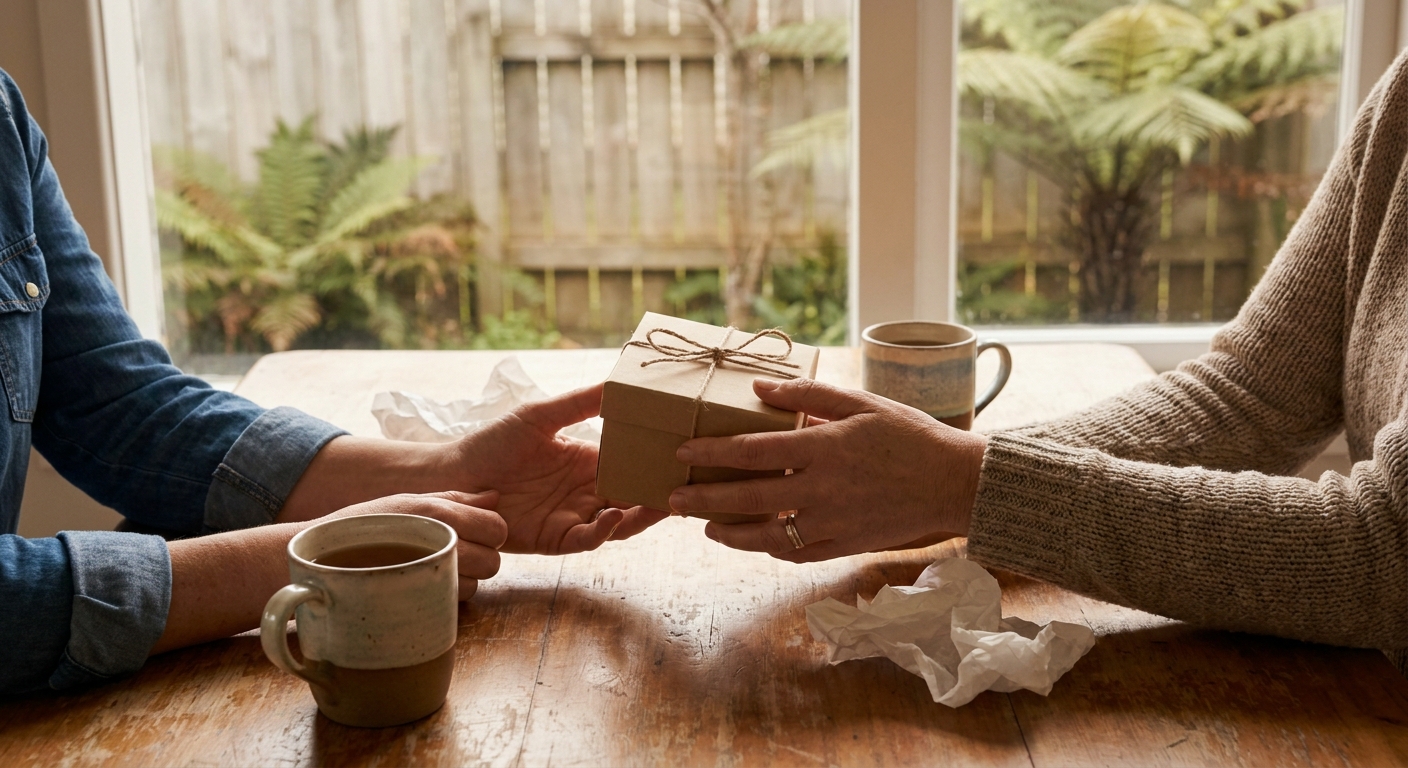
A few days later, she gave it to her sister over the kitchen table. No speech. No card. She just put the small box down and said, “I didn't know what to say. So I got you this instead.”
Her sister opened it. Read the engraving. And held it in her hand for a long time without saying anything.
“She didn't say much. She just looked at me and said, ‘This is perfect.’ And then we both cried. The good kind.”
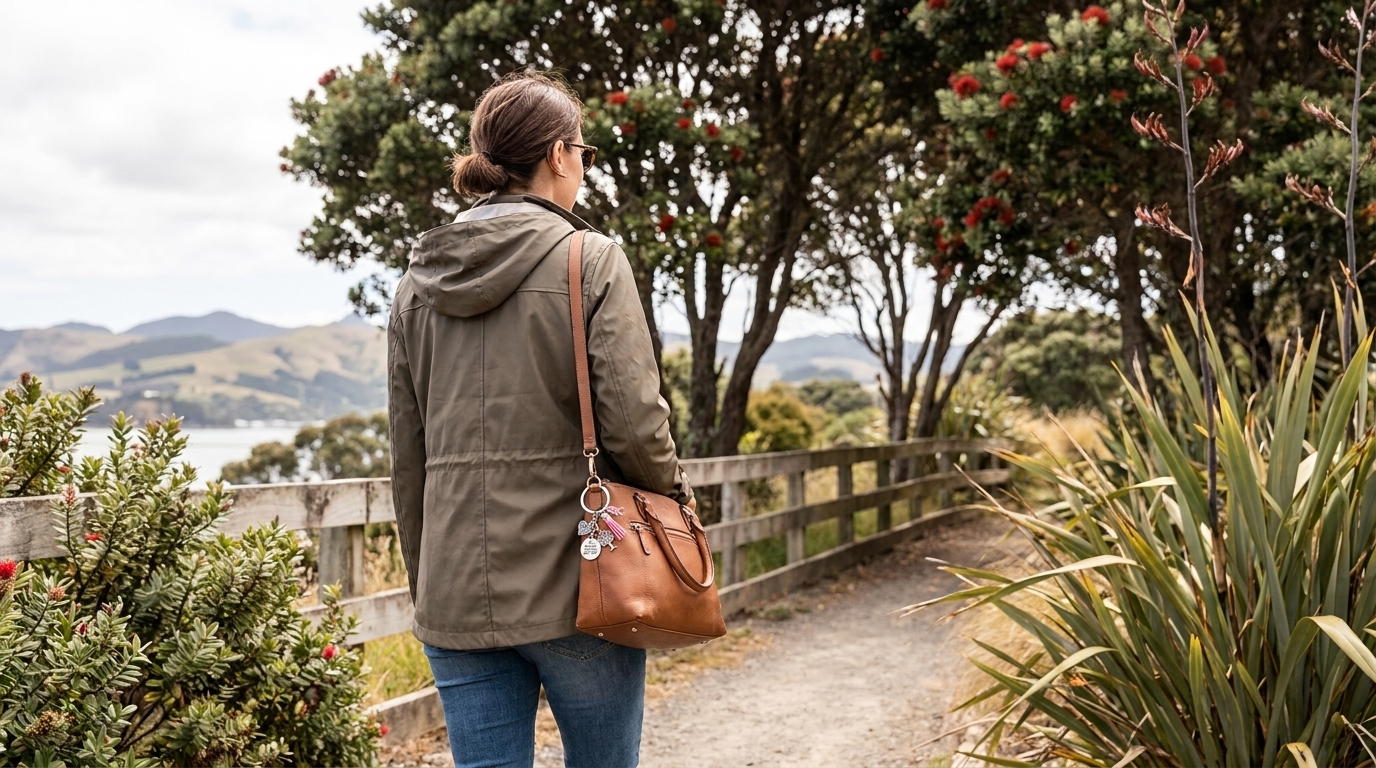
Her sister clipped it to her handbag that evening. It's still there.
Why a small object works where other gestures don't
Flowers are beautiful. They're also dead by Thursday. Cards are thoughtful. They also end up in a drawer by the weekend. A text is easy to send. It's also easy to forget five minutes later.
A keychain stays.
It clips onto her keys, her handbag, her hospital bag. It goes with her to the supermarket on a Tuesday, to the school run on a Wednesday, to the oncology waiting room on a Thursday. It doesn't need an occasion. It doesn't need the right words. It just sits there, quietly, every single day, saying the thing you said once and meant forever: never never give up.
There is real psychology behind why this works. Donald Winnicott, a developmental psychologist, spent decades studying why small physical objects comfort us during distress. He called them “transitional objects.” They occupy the space between our inner world and the outer one. They give us something concrete to hold when everything else feels uncertain.
Adults use them too. Research published in Healthcare in 2024 found that over 30% of young adults reported turning to a physical object for comfort during stressful periods. Grief therapists call them “linking objects,” items that let someone carry another person's presence with them, even when that person can't physically be there.
That is exactly what a carried keychain does. It doesn't replace you showing up. It's the physical proof that you already did.
For the giver, it keeps saying what you said once and ran out of words to repeat. For the person carrying it, it becomes something steady on the days that aren't.
As one breast cancer survivor put it: “Small items can become powerful talismans during chemo, giving her something tangible to hold when everything else feels uncertain.”
What New Zealand buyers are saying
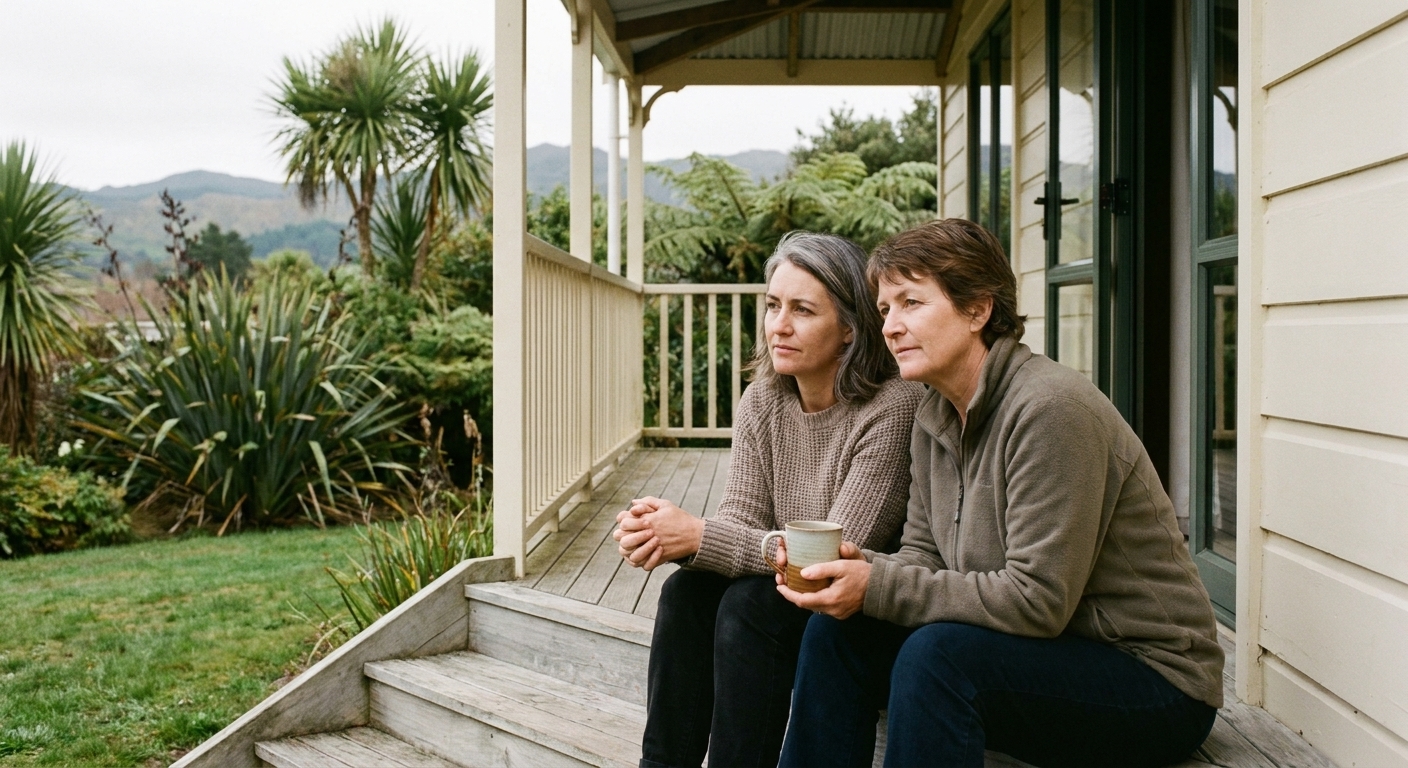
“I didn't really know what to give my friend after her diagnosis. This felt small, nice and right. She was very touched.”
Verified buyer
“Mum immediately attached it to her bag. She said it was nice to have something small with her.”
Verified buyer
“Nicer than expected. It feels solid and looks exactly like the pictures. Everything went smoothly with this order.”
Verified buyer
“Sent this to a family member who lives away. She loved it. She carries it with her every day.”
Verified buyer
“But won't it make her sad?”
This is the question we hear the most. And it's a good question to ask, because it means you're thinking about how she'll feel, not just what you'll feel giving it.
Here is what we've learned from the women who've received it: the keychain doesn't remind her she's sick. She already knows she's sick. She thinks about it every morning, at every appointment, in every quiet moment when the worry creeps in.
What the keychain reminds her is that someone is thinking about her. That she is not going through this alone. That somebody cared enough to do something, even a small something, instead of disappearing into the silence.
We deliberately chose “Never never give up” as the engraving. Not “Stay strong.” Not “Keep fighting.” Not “You've got this.” Those phrases put the weight on her shoulders. They tell her how to feel, and they demand she perform a kind of bravery she may not have that morning.
“Never never give up” is different. The doubled never softens it — it sounds less like a command and more like a promise someone whispers when they've run out of clever things to say. It is the giver's promise as much as the wish: I am not giving up on you, and you don't have to give up either.
Underneath the words is the only message we wanted to send: I see you. I'm here. You don't have to do this by yourself.
Every woman who has told us about receiving this keychain has said some version of the same thing: it made her feel loved, not labelled.
About the donation, without the fine print
We know New Zealanders are rightly skeptical when a product claims to “give back.” You've seen the vague promises. A portion of proceeds. A percentage of profits. No numbers. No names. No way to check.
So here it is, plainly:
$10 from every single order goes directly to Breast Cancer Foundation NZ.
Not a vague percentage. Not tied to an annual cap. A fixed amount from every purchase.
A named New Zealand charity funding research, education, and support for Kiwi women.
Not a vague percentage. Not tied to an annual cap. Not dependent on how many we sell. A fixed dollar amount, every purchase, to a named New Zealand charity that funds research, education, and support for Kiwi women and their families.
We chose Breast Cancer Foundation NZ because they are the ones doing the work here, in our communities. When a woman in Tauranga or Whangārei or Invercargill needs support, BCFNZ is there. Your purchase helps make sure they can keep being there.
The KohaPink Charm
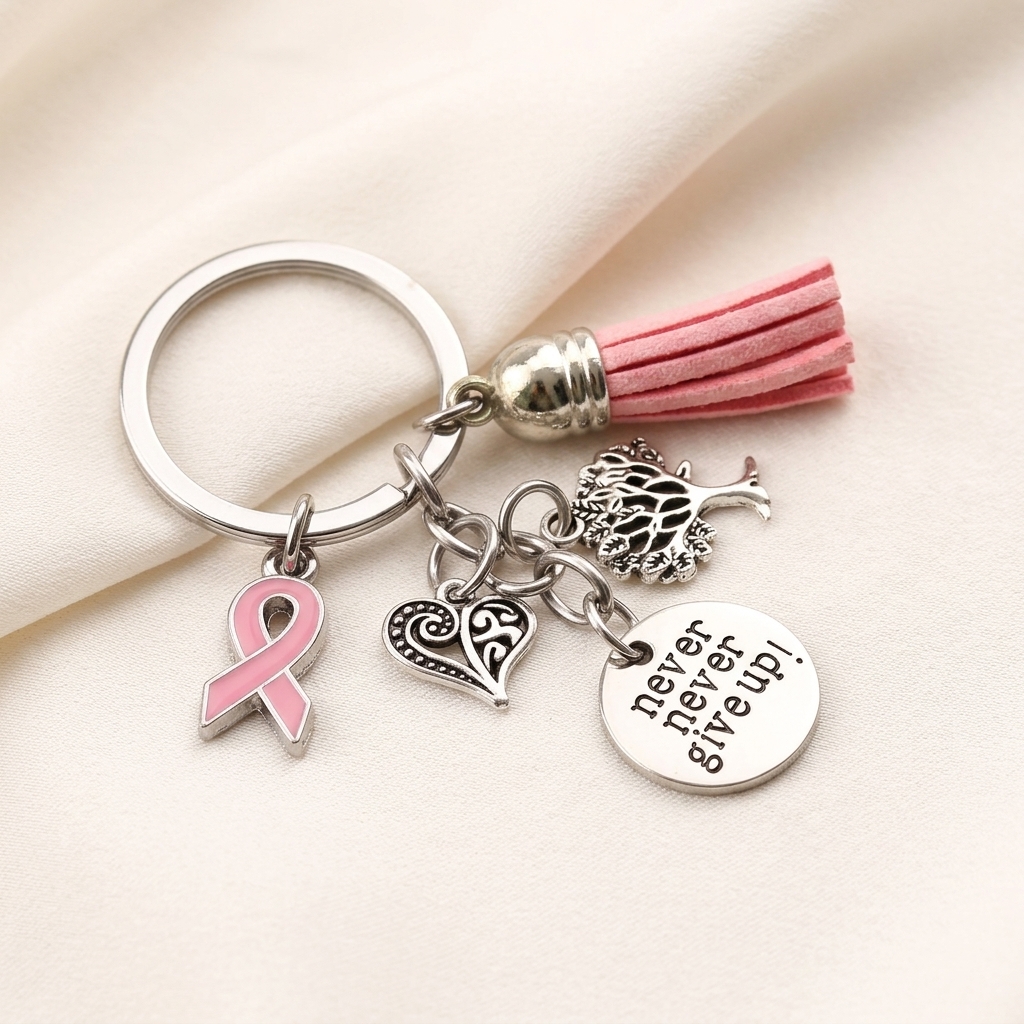
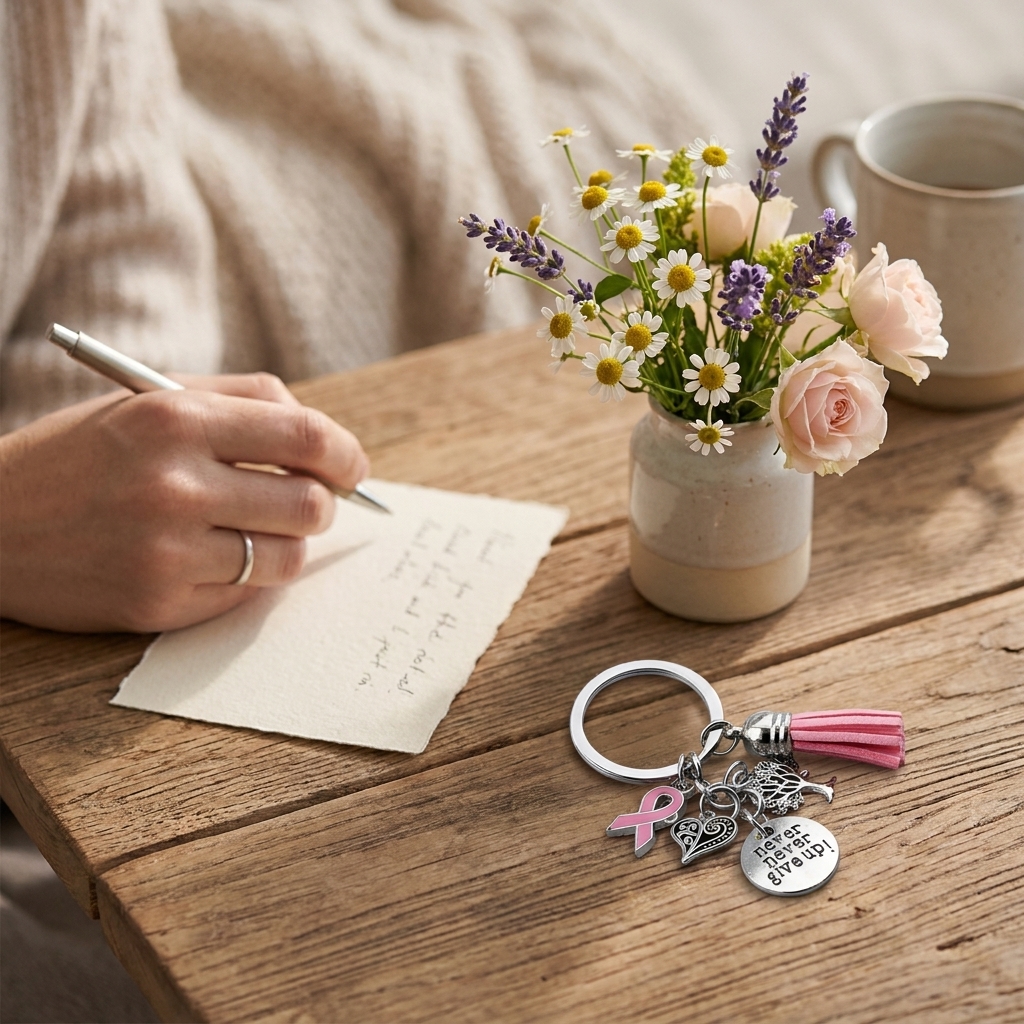
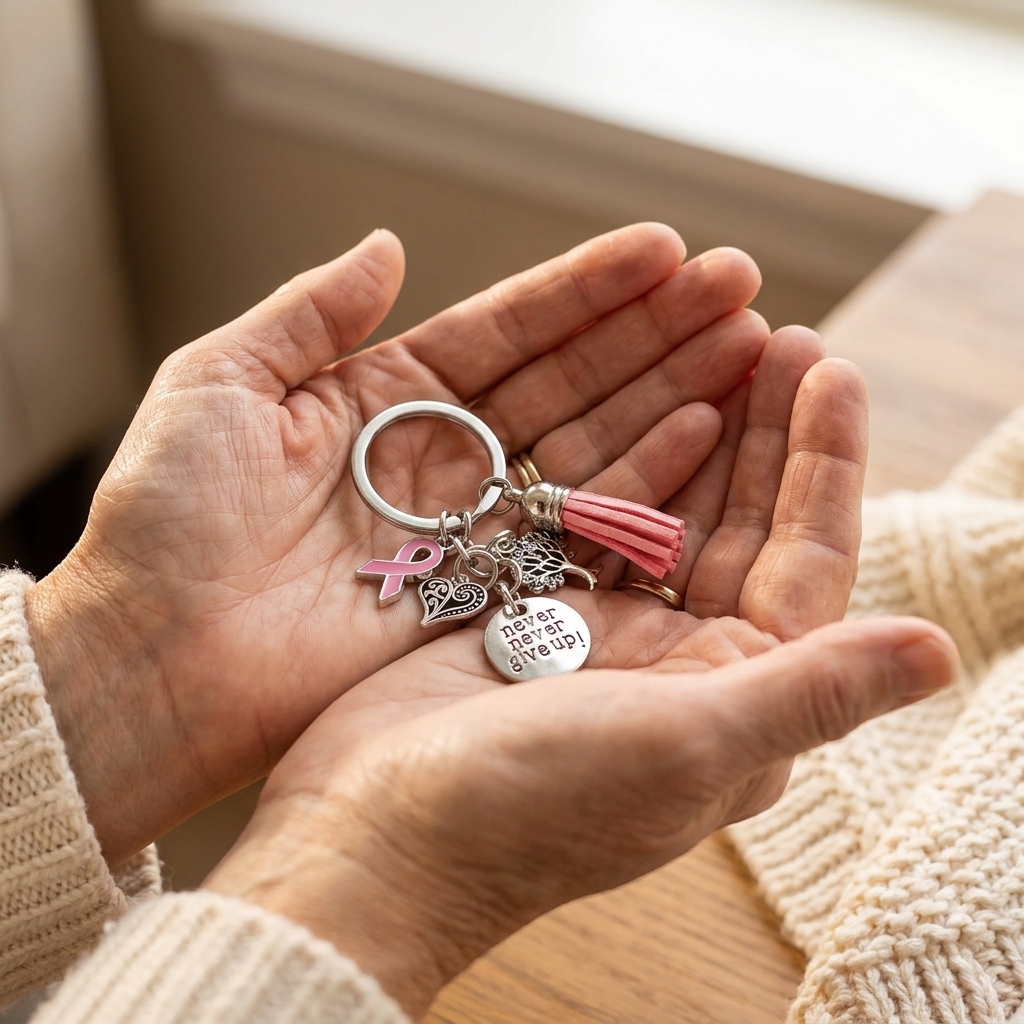
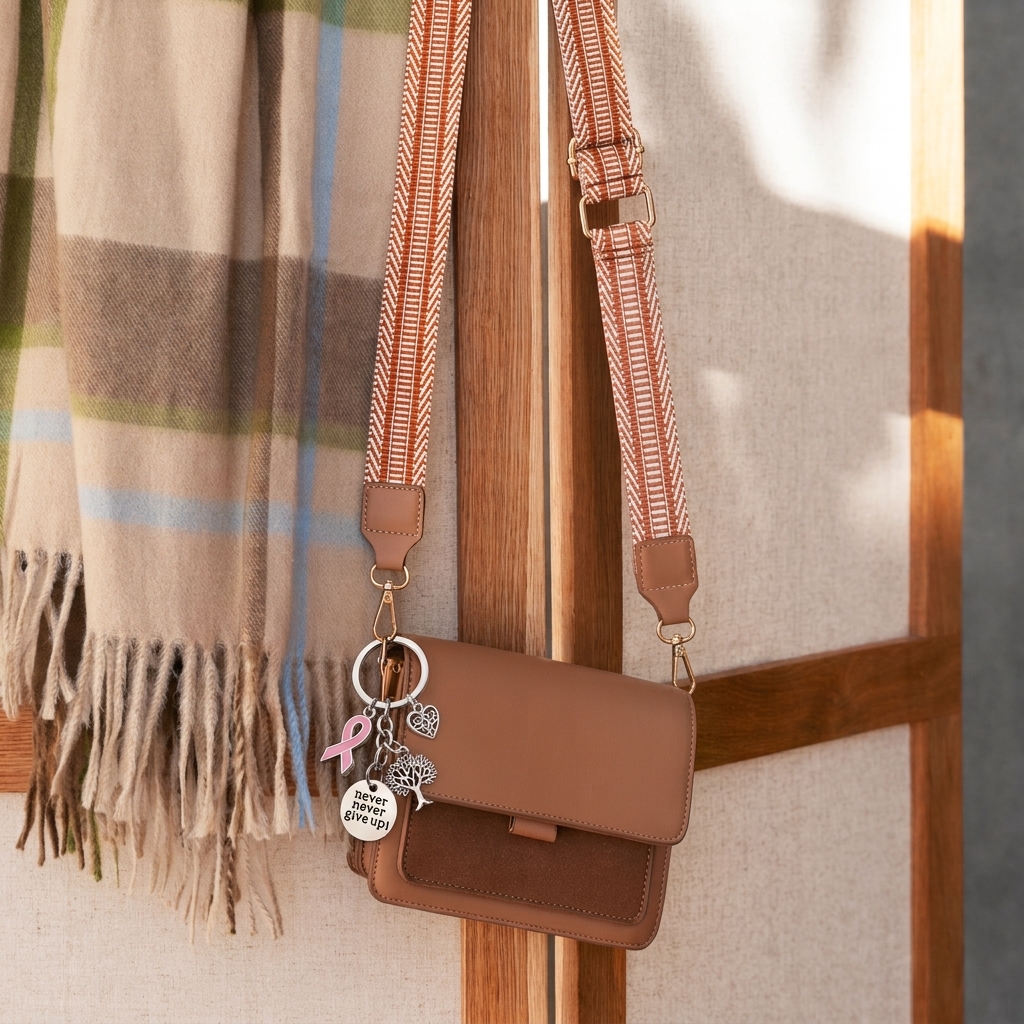
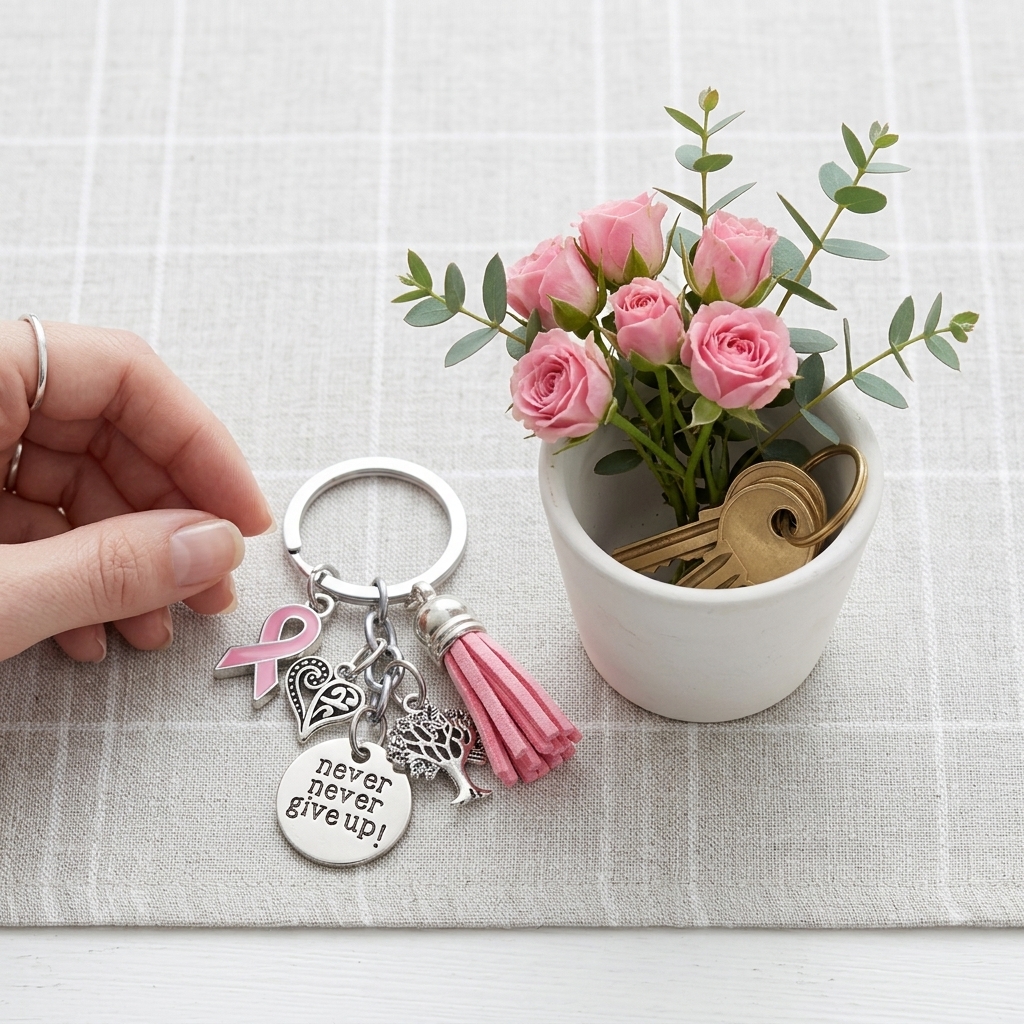
A heart-shaped pendant engraved with “Never never give up.” A pink ribbon charm. A soft pink tassel. All on a silver-tone keyring, made from nickel-free, hypoallergenic alloy designed for daily wear.
It's small enough to clip onto her keys without getting in the way. And meaningful enough that she'll notice it every single morning.
30-day easy returns. If it's not right, send it back. No questions.
Order now — $49 NZDYou've been thinking about her since you heard the news. You've been meaning to do something. You've been telling yourself you'll figure it out tomorrow.
Tomorrow is the thing that turns into two weeks, then a month, then the silence you never meant to send.
You don't need the perfect words. You never did.
You just need her to know you're here.